Luxury guests notice everything: The crispness of the linens. The scent in the hallway. The way the marble gleams under soft lighting. How their room feels when the door swings open. Housekeeping highlights your brand as a luxury property.
Keeping a strong luxury hotel housekeeping checklist is your secret weapon when it comes to upholding your five-star reputation. That’s why we’ve put together this guide; inside, you’ll find a detailed room-by-room checklist plus management tips to help you deliver true luxury, while keeping your team efficient and motivated.
Key highlights:
A luxury hotel housekeeping checklist is a standardized set of cleaning, inspection and service protocols that ensure five-star consistency across every guest touchpoint.
A structured checklist reduces errors, protects brand reputation and supports higher Average Daily Rates (ADR) and guest satisfaction scores.
Using Canary’s Guest Management Platform streamlines luxury operations, reduces manual tasks and frees your team to focus on delivering exceptional service.
What Is Luxury Hotel Management?
Luxury hotel management is bringing your property’s high standards to life through deeply personal service.
While standard hotels focus on speed, luxury properties focus on how a guest feels during every interaction. It is the job of the manager to ensure that the staff, the technology and the environment all work together to create a stay that feels effortless and deeply personal.
The Human Element: Anticipatory Service
In luxury hotels, good service is the bare minimum. Guests expect you to know what they want before they even ask for it. To do that, you need a blend of personal touch and modern tech like:
The invisible check-in: Staff uses technology to greet guests by name at the door rather than having a queue at the counter. The check-in happens in advance or through a quick tablet interaction while the guest enjoys a welcome drink.
The memory effect: Staff members know exactly what a guest prefers thanks to smart tech that keeps track. When a guest mentions a specific type of tea they love, that note is shared across the hotel’s digital system. Then, when they order room service or visit the spa, their favorite tea is already waiting.
Meaningful moments: Staffers remember moments that are important to guests, like a concierge who remembers a traveler’s anniversary and leaves a handwritten note, or a valet who knows exactly how a guest likes their car seat adjusted.
Efficiency Without the Rush: Staff have more time to have real conversations and make every moment feel intentional and elegant, because technology works on the admin tasks behind the scenes. Efficiency still matters, but it should never feel rushed or robotic.
Why Housekeeping Is Essential to the Luxury Guest Experience
According to Shiji’s 2026 Guest Experience Report, luxury guest satisfaction growth slowed significantly over the last three years. The data suggests that luxury guests are becoming less forgiving and expect absolute consistency; when standards slip, ratings suffer quickly.
This is why housekeeping is one of the most visible and influential pillars of luxury hotel management. Guests may never see your operational dashboards or brand strategy meetings, but they immediately see the condition of their room, hallway and public spaces.
Consistent Cleanliness Defines Luxury Perception
Consistency is arguably the core of luxury service. Guests expect pristine conditions every single time, not just on their first visit.
If a room is flawless on Monday but subpar by Thursday, your hotel’s brand as “luxury” loses credibility. True luxury housekeeping requires every stay to meet the same elevated standard, regardless of the length of the stay, hotel occupancy levels or staffing shifts. Consistent cleanliness includes:
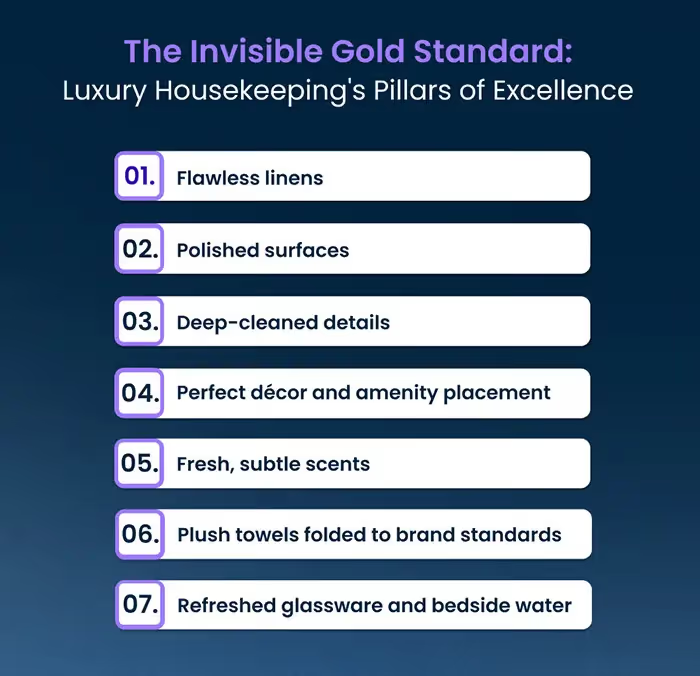
Immaculate linens with no wrinkles or stains
Streak-free mirrors and polished fixtures
Dust-free surfaces, including baseboards and headboards
Sanitized high-touch points like remotes and switches
Spotless bathrooms with zero residue or odor
Housekeeping Sets the First Impression for Every Guest
While the front desk can impress a guest, the room must deliver. The first few seconds inside a guest’s room determines the tone of the entire stay.
Luxury guests expect the room to feel untouched, curated and ready, exclusively for them. If the environment feels rushed or overlooked, confidence drops immediately. That first visual scan is powerful. You can meet hotel guest expectations immediately by:
Perfectly aligned décor and artwork
Symmetrical amenity placement
Fresh, subtle scent consistency
Plush towels folded to brand standard
Pristine flooring and carpet grooming
Small Details Create the Luxury Feel
Luxury lives in the details. While most guests don’t consciously articulate, they’ll always notice little things, such as the way a robe is folded, the precision of turndown service or the exact placement of slippers beside the bed.
These seemingly small details communicate care and intention and enhance the luxury feel:
Evening lighting adjustments during turndown
Refreshed glassware and bedside water
Proactive replenishment of premium toiletries
Neatly arranged personal items after service
Careful temperature and ambiance checks
Spotless Spaces Protect a Luxury Brand’s Reputation
Luxury hotels are the most scrutinized of all, and these days, online reviews, social media posts and guest feedback platforms amplify even minor inconsistencies.
A single cleanliness complaint can seemingly erase years of marketing. Spotless rooms and public spaces support reputation management by reinforcing trust. Boost your reputation through these housekeeping practices:
Rigorous room inspections before release
Documented quality assurance checks
Frequent cleaning of high-traffic public areas
Rapid response to guest service requests
Cross-department communication on maintenance issues
Room Readiness Drives Faster Turnover and Higher Satisfaction
Luxury guests expect rooms to be ready on time without exception. When you streamline housekeeping duties, rooms are inspected promptly, updated in the Property Management System and communicated quickly to the front desk. When you align room readiness with arrival patterns, the entire operation runs more smoothly.
Effective room readiness depends on:
Real-time room status updates
Structured inspection protocols
Clear communication between housekeeping and the front desk
Standardized cleaning sequences
Technology that reduces manual coordination
Luxury Hotel Housekeeping: A Checklist for Hotels
Luxury standards leave no room for inconsistency. Five-star hotels have to satisfy high-paying guests, protect their brands and maintain their luxury presentations across all spaces. To do that, use structured, repeatable systems and standard operating procedures (SOPs) for housekeeping.
This can be incredibly difficult in an age where housekeeping and cleaning staff are the hardest roles to fill, according to an Accommodation Industry Report by Expert Market. The study also found that 48% of surveyed businesses cite “staffing issues” as the biggest risk to their operations over the next 12 months.
That’s why a structured, easy-to-follow luxury checklist should be used to onboard new hires faster and reduce the cognitive load on your existing team.
The checklist below outlines luxury-level standards across core housekeeping areas, ensuring precision, consistency and high-quality execution:
Core Housekeeping Areas
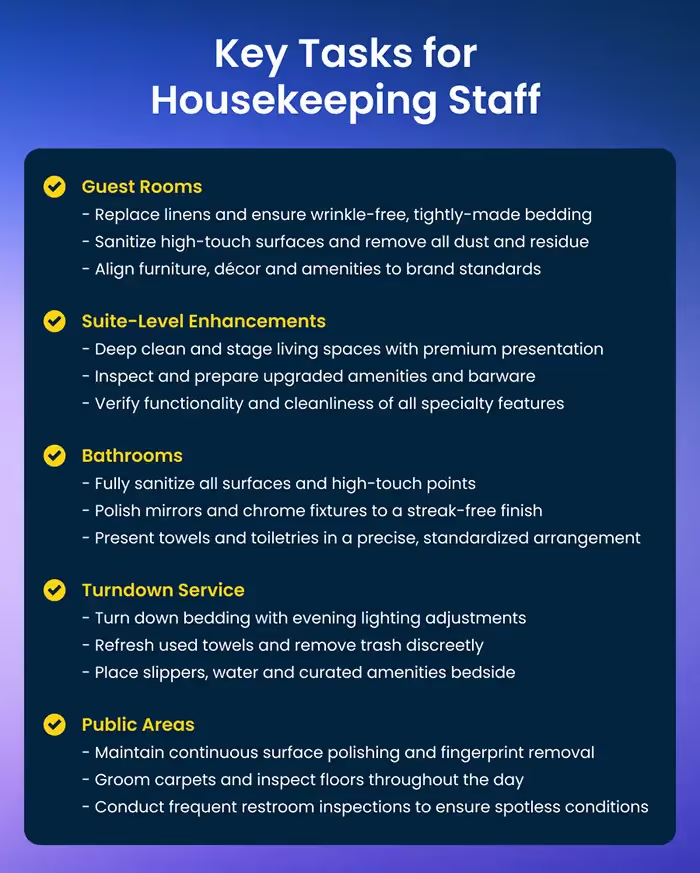
Key Tasks for Housekeeping Staff
Guest Rooms
- Replace linens and ensure wrinkle-free, tightly-made bedding
- Sanitize high-touch surfaces and remove all dust and residue
- Align furniture, décor and amenities to brand standards
Suite-Level Enhancements
- Deep clean and stage living spaces with premium presentation
- Inspect and prepare upgraded amenities and barware
- Verify functionality and cleanliness of all specialty features
Bathrooms
- Fully sanitize all surfaces and high-touch points
- Polish mirrors and chrome fixtures to a streak-free finish
- Present towels and toiletries in a precise, standardized arrangement
Turndown Service
- Turn down bedding with evening lighting adjustments
- Refresh used towels and remove trash discreetly
- Place slippers, water and curated amenities bedside
Public Areas
- Maintain continuous surface polishing and fingerprint removal
- Groom carpets and inspect floors throughout the day
- Conduct frequent restroom inspections to ensure spotless conditions
How to Manage a Luxury Hotel: Key Elements to Consider
Executing a luxury hotel housekeeping checklist is critical, but it’s only one piece of the equation. True luxury hotel management requires disciplined oversight across service culture, brand presentation, operational systems and communication.
Below are the core pillars that luxury properties need to consistently execute to protect premium positioning and deliver exceptional guest experiences.
Personalized Guest Experience in Every Detail
Luxury guests expect a tailored experience that feels seamless. This begins long before they step foot on the property. Every touchpoint (from pre-arrival emails to in-room preferences and post-stay follow-up) should reflect a deep understanding of the individual.
Luxury guest engagement requires consolidating and sharing guest data and insights across departments. To achieve this, collect and centralize guest preferences across every stay. And by empowering staff to act on real-time insights, you ensure that service recovery and communication are perfectly matched to each guest’s specific expectations and temperament.
Team Training and Service Culture Development
How something is delivered matters just as much as what is delivered. Foster a culture of excellence by continuously training your team on technical procedures and helping them hone the emotional intelligence needed to anticipate needs. Structured onboarding based on brand values and scenario-based training for high-pressure interactions develops these skills while cross-training across departments encourages empathy. Meanwhile, clear performance benchmarks must be tied directly to guest satisfaction.
Strict Brand Standards and Visual Presentation
Luxury brands succeed because they deliver a consistent sensory experience. Every detail, including lighting, scent and presentation, reinforces the brand’s identity. Even a minor inconsistency in décor or cleanliness weakens perceived value and undermines premium pricing.
Keep the brand consistent by:
Doing routine audits of guest rooms and public spaces
Maintaining strict grooming standards
Making sure that seasonal décor is refreshed
Using marketing imagery that matches the on-property reality
Inspection Routines and Quality Control Systems
There is no room for assumptions in a luxury hotel — everything has to be executed with thought and precision. Structured inspection routines make sure your standards remain consistent across shifts, seasons and occupancy fluctuations.
Quality control systems keep the leadership team accountable through layered inspections before any room is released. By using documented checklists, mystery guest programs and third-party audits, you can identify and resolve minor issues before they ever impact a guest's stay.
Cross-Department Communication and Coordination
When communication breaks down, the luxury experience breaks down, too. Housekeeping, the front desk, engineering and F&B need to have seamless coordination between them so no detail slips through the cracks.
Emerging hospitality AI solutions play a growing role here by getting everyone on one system and bringing guest insights to the surface. It results in shared visibility into room readiness and standardized handoffs between shifts so that staff can focus on high-touch service delivery rather than administrative follow-up.
Luxury Hotel Management Tips: Best Practices for Leadership
You can have luxury standards, but they’re nothing without vision and execution. Here are some best practices that’ll help you lead your hotel in personalization, consistency and precision across departments.
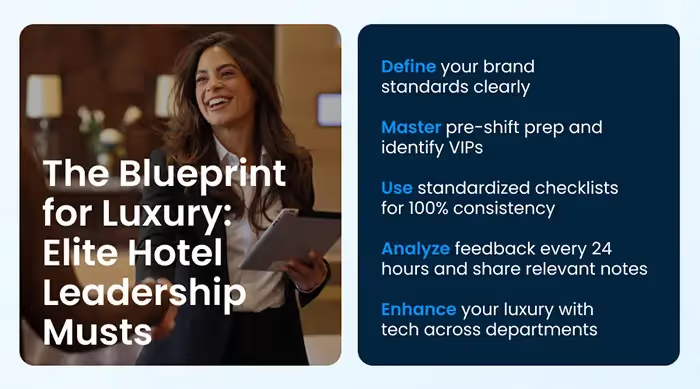
1. Establish Clear Processes for Every Guest-Facing Role
Expectations must be clear to deliver luxury service successfully. Every guest-facing role, from housekeepers to concierges to front desk agents, must operate with clearly defined responsibilities and service standards. When employees understand exactly what excellence looks like, they deliver it more confidently.
Clear processes look like:
Documenting SOPs for every guest-facing interaction
Defining non-negotiable brand standards for presentation and communication
Clarifying escalation paths for service recovery
Aligning performance metrics with guest satisfaction goals
2. Use Pre-Shift Briefings to Reinforce Daily Standards
Luxury hotels may exude peace and tranquility, but they’re still operationally complicated. Overseeing VIP arrivals, special requests and occupancy fluctuations can be a headache if not managed properly. It all requires constant alignment between teams. Daily pre-shift briefings help inform, focus and unify teams. They reinforce standards and prevent small oversights from becoming guest-facing issues.
Effective briefings will highlight VIP arrivals and special preferences, review daily occupancy and turnover expectations and reinforce one key brand standard or service principle.
3. Implement Structured Room and Floor Inspections
Structured inspections prevent inconsistencies from slipping through, therefore protecting your luxury brand. Use layered inspection systems, including supervisor walkthroughs and documented checklists, to make sure every room meets luxury-level expectations before a guest enters.
Inspections should require supervisor sign-off before room release, use standardized digital checklists for consistency and audit public areas multiple times daily.
4. Create Feedback Loops for Service Recovery and Improvement
Luxury hotel guests expect issues to be resolved immediately and thoughtfully. But strong leadership goes beyond that by identifying patterns and improving weak points. Using feedback loops and consistent refinement makes sure guest complaints, survey insights and staff observations result in real change.
Make sure your team:
Reviews guest feedback daily, not monthly
Conducts post-incident reviews for service breakdowns
Feels empowered to implement corrective training quickly
Shares positive guest comments to reinforce morale
5. Leverage Technology to Improve Accountability and Efficiency
This new era requires technology-driven leadership that looks like:
Monitoring real-time room status updates across departments
Introducing centralized guest preference tracking
Going down digital inspection checklists and checking performance dashboards
Using automated communication tools that reduce response delays
Streamline the Management of Luxury Hotel Operations with Canary
There’s no messing around when it comes to luxury. Your hotel guests demand precision and anticipation, which requires clear communication between teams. Using the right technology means your staff have what they need to deliver quicker, more tailored solutions and your brand’s standards and excellence are well-intact.
Trusted by 20,000+ hotels, including Marriott and Wyndham, Canary delivers purpose-built hotel operation software that simplifies housekeeping coordination, brings communication into one place and improves the entire guest journey.
With Canary, luxury properties can:
Gain real-time room status updates between housekeeping and front desk
Centralize guest preferences to support personalized in-room preparation
Digitize check-in and checkout to reduce lobby congestion
Automate guest messaging to improve response times
Eliminate paper-based processes that slow down service
Reduce payment fraud and chargebacks with secure digital authorizations
Increase upsell revenue through streamlined guest touchpoints
Book a demo today and see how Canary's solutions help teams streamline luxury hotel management to drive an enhanced guest experience.
Frequently Asked Questions
What does luxury mean in the hospitality field?
In hospitality, luxury means creating a highly-curated guest experience. Every interaction with guests should be defined by personalization, precision and consistent service excellence across every touchpoint.
True luxury extends beyond upscale décor or premium room rates. It means anticipating needs, eliminating friction and delivering emotionally memorable service in a way that feels effortless to the guest. Every interaction, from booking to checkout, must reinforce brand standards and attention to detail.
How do luxury hotels maintain consistent five-star housekeeping standards?
Luxury hotels maintain five-star standards by embedding quality control into daily operations. Excellence is not left to chance. It is structured, measured and reinforced through training and inspection.
Leaders implement layered oversight systems and standardized procedures to ensure that every room, suite and public area meets brand expectations regardless of occupancy or staffing levels.
Which property management system is best for luxury hotels?
The best property management system for a luxury hotel supports personalization, operational visibility and seamless communication across departments. Luxury properties require more than reservation tracking. They require technology that protects service standards and that’s where Canary delivers.
Its strong system integrates guest messaging, housekeeping workflows and payment processing to reduce friction and eliminate manual bottlenecks.