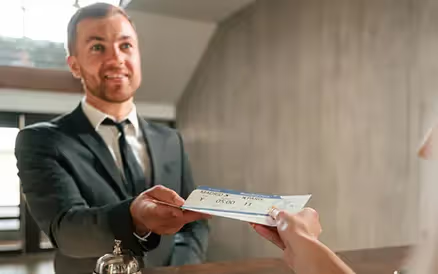
The defining word of hotel performance in 2026? Adaptability. But we don’t mean the kind solved by an on-trend menu redesign or updating the art in the lobby. This time, the shift runs deeper.
Economic pressure is impacting demand, rates and margins. That’s why many hotels are pivoting from a room-centric financial model to a diversified one, where ancillary revenue plays a leading role. By expanding income channels and rethinking the guest journey, forward-thinking teams can unlock stronger margins and long-term stability. Let’s review the best hotel revenue generating ideas in 2026 and explore how to select the best strategies for your team.
Key Highlights
Total revenue per guest matters more than ever.
Diverse hotel revenue generating ideas decrease risk.
Modern tech, like Canary’s Dynamic Upsells, unlocks new income streams.
Why Hotel Ancillary Revenue Should Be a Priority
Hotel ancillary revenue should be a priority to diversify your sources of income and protect your hotel from risk. While room revenue is still a hotel’s primary source of earnings, it’s no longer the most reliable one. STR shows most hotel classes declining in RevPAR year-to-date in 2025. With inflation and changes in demand squeezing hotel room margins on both ends, revenue now needs a boost from elsewhere.
As a result, ancillary revenue is becoming an essential contributor to profitability. Even during the troubled year that was 2020, resort hotels created additional income, making it 18% of total operating revenue. Now that percentage is growing as all types of properties get smarter about monetizing guest touchpoints.
It’s still important to fill beds, but once bookings are finalized, attention can now shift to the additional spend that occupied rooms generate. From automated upsells to premium experiences, there are dozens of ways to boost revenue while also improving satisfaction.
Top 15 Revenue Generation Ideas for Hotels
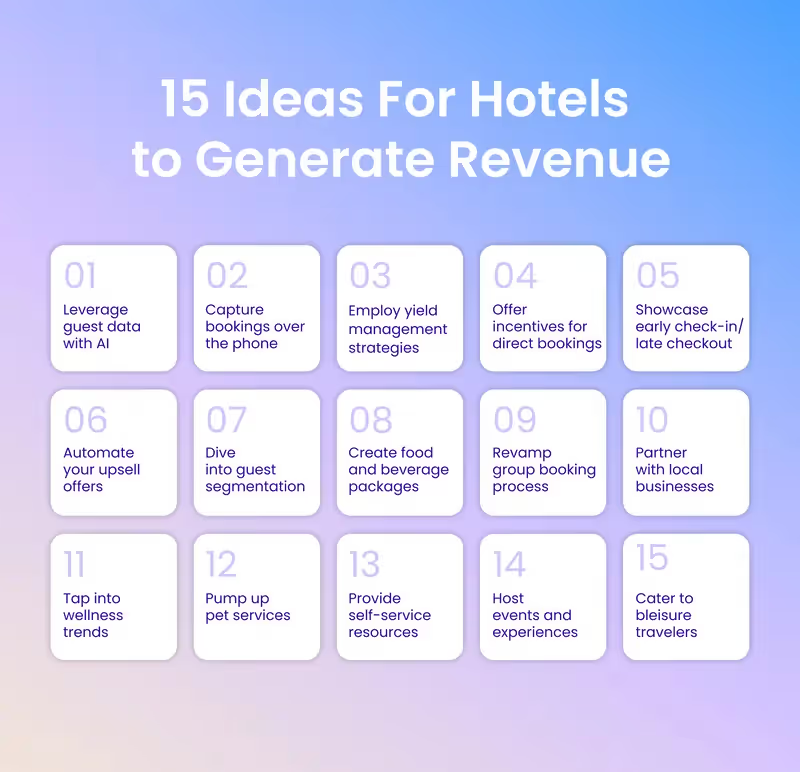
Coming up with revenue generating ideas for hotels takes a bit of creativity alongside knowing your ideal guest. It’s likely that the best fit for your hotel may be a unique mix of techniques. There’s no one-size-fits-all, but the following 15 hotel revenue generating ideas are a powerful starting point.
1. AI-Driven Guest Personalization
Guest personalization used to be about collecting and storing as much guest information as possible. Then came the big question: how do we use this day to day?
AI tools have given us an answer. Their capability to analyze large amounts of data makes it simple to understand guest preferences and tailor experiences that increase hotel revenue. By looking at past booking behavior, demographics and real-time interactions, hotels can serve highly relevant offers with ease.
For example, a returning guest who previously booked a late checkout could automatically receive that offer again — this time with a discounted rate if they request early. Tools like Canary AI drive this type of personalization that leads to higher engagement and increases conversion rates for ancillary services.
2. Answer Every Call
The phones rarely ring at a convenient time. There’s a real guest standing in front of you, someone on the line who needs attention and another caller already on hold. What do you do next?
Speak to your guest?
Answer the phone?
We’re joking, of course. In 2026 you don’t have to make this decision anymore!
AI Voice agents can now handle every call and answer questions on your behalf, forwarding only the ones that need your personal attention. And yes, they handle multiple callers at once — meaning no more missed revenue opportunities. With Canary AI you can even track all your conversations in one unified inbox.
3. Yield Management Practices
Traditionally, yield management (or revenue management) allows hotels to maximize revenue by adjusting room prices based on demand, booking windows and market trends. It ensures you're selling the right room to the right guest at the right time and at the right price. Most hotels use hotel revenue management software for the task.
Beyond rooms, amenities such as spa access and late check-out also fluctuate. Weekends, for example, drive higher demand and potentially higher rate for both spa access or late check-out. Through historical data and forecasting tools, hoteliers can identify high-demand dates by amenity and make adjustments accordingly. This helps capture more revenue from peak periods while driving more volume in hotel ancillary revenue, even during less busy periods.
4. Direct Booking Incentives
Direct bookings are more profitable than online travel agent (OTA) reservations. Targeted incentives encourage guests to book directly through your website to reduce your commission fees. These incentives add value in lieu of providing discounts, so there’s no concern of breaking parity laws.
Examples include:
Complimentary breakfast
Dining credit
In-room amenities upon arrival
Flexible cancellation policies
Exclusive access to amenities
If direct bookings are what you are after, there are several advanced strategies to drive the growth of your direct channel and keep distribution costs low.
5. Early Check-In and Late Checkout Fees
Flexible check-in and checkout options are convenient for guests, help your housekeeping team stagger their workload and drive incremental revenue.
Offering these perks proactively generates revenue, while offering guests flexibility and certainty that their room will be available. Guests no longer have to roll the dice on whether you can accommodate them when they arrive on a red eye flight. And because early access is scarce, charging for the service ensures you limit demand to only those who truly need or want it.
6. Automated Upselling and Cross-Selling
Proactive upselling increases the value of every booking — just don’t miss the crucial pre-stay phase. As one hotel puts it “Guests love being able to see the options and request things ahead of arrival.” When presented with timely, personalized offers, guests are often open to spending more for upgrades that enhance their stay.
Hotels can automate offers through email, text or during online check-in using tools such as Canary’s Dynamic Upsells. Examples include:
Upgrading to a suite for a discounted rate
Adding breakfast, parking or a bottle of wine
Cross-selling spa appointments or late checkout
7. Personalized Guest Segmentation
Segmentation allows hotels to craft marketing and operational strategies based on guest type, booking behavior and preferences. This approach improves offer targeting and maximizes revenue potential. In 2026, you can also apply this to ancillary revenue.
For instance, segmenting your guest database into business travelers, leisure guests and returning VIPs enables you to tailor upsell options more effectively. Business travelers might respond to an offer to add a night for leisure at a reduced rate, a loyalty guest might respond to exclusive offers and families may be drawn in by a popcorn and movie package. Knowing your guest is key to knowing what offers they’ll like, too.
8. Food and Beverage Promotions
F&B is a prime area for increasing guest spend. By creating themed nights, happy hour specials or limited-time menus, hotels drive more traffic to their restaurants and bars.
Promotions work best when tied to events or personalized offers, and can be communicated as “sign up only” events in advance or during the stay. Example strategies include:
Wine-pairing dinners
Room service breakfast bundles
In-room arrival treats such as drinks and non-perishable foods
A signature dish to take home after checkout (think strawberry pie in the spring, or gingerbread in the winter)
Loyalty points for in-house dining
Themed event nights featuring specific foods, music and entertainment
Grab-and-go lunch or breakfast options
Afternoon high tea
Access to a lounge with around-the-clock food options
9. Group Booking Packages
Group bookings present a high-volume revenue opportunity when packaged correctly. Tailoring wedding or event packages, like bundling with catering or room blocks, provide more convenience for the client and more revenue for you.
Your goal is to secure the booking with the organizer and cater to individual guests’ needs through direct personalization options and ancillary services. By understanding the event and schedule thoroughly, personalization options like planned dining or late departures become visible opportunities to support guests and generate additional revenue.
10. Local Experience Partnerships
Experiencing local culture is a major motivator for modern travelers, and 82% of people say it significantly contributes to their fulfillment on a trip. That provides a great opportunity for hotels to help their guests have off-property experiences that still tie back to ancillary revenue.
The best part: you don’t have to be an expert in local experiences! You just have to collaborate with them. By partnering with nearby businesses you can offer special packages that benefit you both.
Naturally, your options will vary on where you’re based. Based on your local knowledge, consider activities like:
Exclusive wine tastings
Local walking tours
Family activities
Cooking or art classes
These partnerships drive incremental revenue and help position your hotel as a gateway to the destination, not a separate part of the experience.
11. Wellness and Spa Upsells
Wellness remains a top travel priority, and one you can tap into whether you have a full onsite spa or not. Standard meeting rooms can do double duty as a tranquil space for yoga classes, chair massages and soundbaths on weekends.
Promote your wellness offers as add-ons during booking (to show your unique value vs. the competition) and throughout the guest journey. Popular offers include:
30-minute spa treatments upon arrival
Yoga classes bundled with room rates
In-room wellness kits
A wellness-forward hotel can even offer custom packages for detox weekends or digital detox retreats.
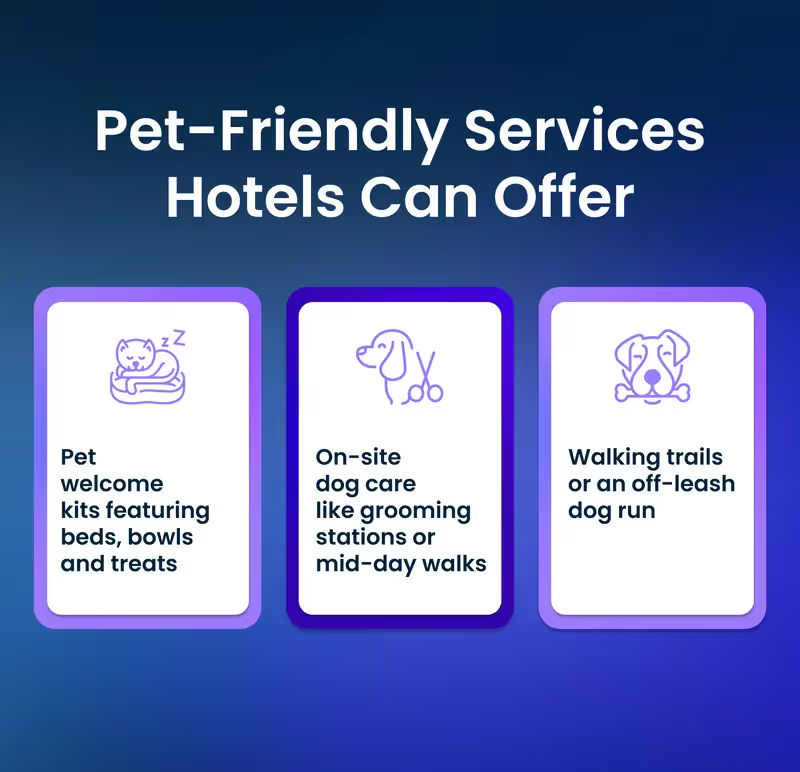
12. Pet-Friendly Services
Guests traveling with pets are often willing to pay extra for comfort and convenience. Offer packages or à la carte services that cater to four-legged companions.
You may consider pet amenities such as:
Pet welcome kits (beds, bowls, treats)
On-site dog walking or pet-sitting
Dog run or play area
If you’re the only hotel in the area that caters to pets, you may have just created a unique selling point, too!
13. Automation and Self-Service Kiosks
Streamlining check-in, checkout and upsells through automation frees up staff for warmer welcomes and encourages more guest transactions. Kiosks and mobile tools let guests manage their stay while generating additional income.
For hotels, this means results like this:
Mangia’s reduced check-in time by 10 minutes while adding net new revenue
Elements by Byron saw 75% of guests opt for mobile check-in while generating AUD 250,000+ in creative upsells
Casa Faena achieved 1-minute check-ins while increasing upsells by 55%
Hotels using Canary’s Mobile Check-In consistently report faster processing times and higher upsell conversions. The reason these results are so consistent is that today’s guests appreciate the speed and control given to them and use it to maximize their own guest experience.
14. Hosting Events and Experiences
Is there an off-season for your event space? Time to transform it into a revenue generator by hosting your own!
From wine tastings to rooftop concerts and holiday markets, experiential programming enhances your brand while boosting non-room revenue. Lean on your local community and what they might be missing. You may just start a tradition like the Gaylord National Hotel with their Ice Exhibition!
Tips for monetization:
Sell tickets to events
Partner with sponsors or local vendors
Offer event add-ons with room packages
15. Remote Work Optimization
So much remote work seems to happen in coffee shops, but how much of it is happening in your hotel rooms? A simple offer for a “free coffee at our working hub” can draw guests out of their rooms and into your F&B areas. That’s where they’ll be presented with premium coffees, a working lunch offer, grazing snacks and easy power plug access ready for them.
Alternatively, why not offer a remote work add-on with several snacks and hot drinks included daily?
How to Choose the Best Strategies to Boost Hotel Revenue
Not every revenue-generating idea for hotels will be the right fit for every hotel. To get the most impact, leadership teams need to assess which strategies align with their business model, guest base and operational capabilities. The table below outlines key factors to consider.
Factors to Consider
Impact on Hotel Revenue Generation
Evaluate which strategies will move the needle most significantly for your topline revenue. Start with low-lift, high-impact options like upsells or digital check-in enhancements.
Property Type and Size
A luxury resort has different revenue levers than a midscale airport hotel. Consider what makes sense for your property type, footprint, amenities and staffing model.
Guest Demographics
Understanding your guests' preferences helps you tailor offers that resonate and convert. Segmentation drives smarter targeting.
Technology Readiness
Assess how easily your hotel can implement new technology to improve guest experience. If your tech stack is outdated, pilots let you assess how easy a vendor is to work with.
Budget and Resources
Some strategies require upfront investment, such as lobby kiosks or spa renovations. Weigh the ROI and consider starting with lower-cost initiatives like food and beverage offers.
Competitive Landscape
Look at what other properties in your market are offering. This is not to copy them, but because you can offer compelling alternatives or value-adds that do not yet exist in your market.
Seasonality and Demand Trends
Use historical booking data to match offers with demand cycles. Offer returning guests better rates during off-peak times.
Staff Training and Culture
No strategy succeeds without team buy-in. Ensure your staff understands new offers and feels confident presenting them as part of guest experience management.
Increase Hotel Revenue with Canary's Guest Management Solutions
Every hotel revenue generating idea in this list becomes more powerful when supported by the right technology. Canary’s Guest Management Platform gives your team the tools to automate upsells, personalize guest journeys and unlock new revenue streams. The best part? It reduces workload and improves the guest experience at the same time.
Key features include:
Dynamic Upsells: Drive up to 250% more revenue from targeted, automated upgrade and add-on offers sent before and during guest stays.
Mobile Check-In & Smart Checkout: Streamline arrivals and departures while prompting guests with timely add-ons and personalization options.
Canary AI: Answer guest inquiries instantly, reduce call volume and increase bookings with smart automation.
Digital Tipping: Increase staff satisfaction and guest engagement with seamless mobile tipping.
Guest Messaging: Personalize communication and drive real-time revenue with SMS and WhatsApp interactions.
Digital Compendium: Promote on-site services, F&B offers and local experiences with a branded, mobile-first guide.
Book a demo today and see how Canary’s AI-powered hotel tech helps boost hotel revenue and drive guest engagement.
Frequently Asked Questions
What do major hotels generate their revenue from?
Major hotels generate revenue through a mix of room sales and ancillary services. While room revenue typically represents the largest share, properties also earn significantly from food and beverage, spa services, event space, parking and upsells.
For example, a seaside resort might bring in 60–70% of its revenue from rooms, with the remaining 30–40% split across ancillary offerings. Meanwhile, a Las Vegas property on the strip might make 60-70% of revenue in gambling, shopping and F&B, earning 30-40% on rooms.
Whatever your current concept is, non-room revenue streams have evolved into powerful levers for hotel revenue enhancement plans, especially because they are not constrained by room count.
What is a hotel’s biggest source of revenue?
A hotel’s biggest source of revenue depends on factors like property class, ancillary offerings and more. Most hotels still primarily rely on their guest rooms. However, a mix of economic pressures, heightened guest expectations and technological possibilities makes ancillary income take on an important role in profitability.
Services like upsells, spa treatments, late checkout fees and on-site dining generate additional revenue and enhance the guest experience. When supported by digital tools, these offerings scale easily and make them essential to modern revenue strategies.
Which AI-driven personalization tactics boost ancillary spend the most?
AI-driven personalization tactics that boost ancillary spend most effectively include pre-arrival communications with targeted offers, mobile check-in upsells and automated offers during the stay. These touchpoints allow hotels to deliver the right offer at the right moment in the guest journey.
For example:
Pre-arrival messaging: AI-personalized emails or texts offering early check-in, parking or wine packages convert additional revenue before guests even arrive.
Mobile check-in upgrades: Using Canary’s Dynamic Upsells during check-in, hotels can offer room upgrades, amenities and more that contribute to ancillary revenue increases of up to 250%.
In-stay offers: Timed notifications for spa discounts or dining bundles drive spontaneous purchases.
What are the key hotel revenue metrics?
There are a few key hotel revenue metrics to pay attention to once you start offering more sources for ancillary income. Instead of occupancy and ADR, which are purely room focused, here are key benchmarks to track:





.avif)